Does ESA apply to remote workers?
ESA apply to remote workers
With the rise of remote work, many employees and employers in Ontario ask, “Does ESA apply to remote workers?” The Employment Standards Act Ontario (ESA) sets out minimum standards for employment, including minimum wage, hours of work, overtime pay, vacation entitlements, public holidays, and termination notice. Regardless of where work is performed, employees in Ontario are generally covered by the ESA, ensuring that their rights are protected even if they are working from home or another remote location. Understanding how the ESA applies to remote workers is essential for compliance and for safeguarding employee rights.
The Employment Standards Act Ontario was created to protect employees in all types of work arrangements. Remote workers, whether full-time, part-time, or casual, are typically considered employees if they work under a contract of service with an employer. This means that remote employees are entitled to the same protections as those working on-site. For example, remote workers must receive at least the minimum wage, be compensated for overtime when they exceed standard work hours, and accrue vacation pay in accordance with the ESA. Employment contracts or company policies cannot reduce these statutory entitlements.
Employees often ask, “Does ESA apply to remote workers?” The answer is yes. The location of work does not exempt an employer from complying with the Employment Standards Act Ontario. Whether an employee works from home in Toronto, a co-working space, or another province while employed by an Ontario-based company, the ESA’s minimum standards continue to apply. Employers remain responsible for tracking hours of work, ensuring compliance with overtime rules, and providing statutory benefits such as vacation and public holiday pay. Remote work does not eliminate these obligations.
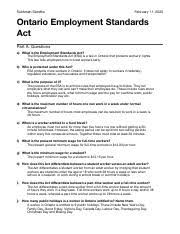
Does ESA apply to remote workers?
Another important aspect of ESA coverage for remote workers involves hours of work and rest periods. Employers must ensure that remote employees are not working excessive hours and that they have access to required breaks, as stipulated by the Employment Standards Act Ontario. Proper record-keeping is critical for compliance. Remote employees should maintain accurate timesheets, and employers should have systems in place to monitor and record hours worked to ensure that ESA requirements are being met. Failure to do so may result in violations and penalties.
It is also important for both employees and employers to understand that certain ESA protections, such as termination notice and severance pay, apply equally to remote workers. If a remote employee is terminated without cause, they are entitled to the same notice period or termination pay as an on-site employee, depending on their length of service. Leaves of absence, including parental or sick leave, also apply to remote employees, ensuring that their rights under the Can I get EI if I quit due to constructive dismissal? are maintained regardless of their work location.
In conclusion, the question, “Does ESA apply to remote workers?” is answered affirmatively under the Employment Standards Act Ontario. Remote employees are fully entitled to the same minimum standards and protections as on-site workers, including pay, hours, vacation, public holidays, and notice of termination. Employers must take care to monitor compliance, track hours, and provide required benefits to ensure that ESA obligations are met. Understanding how the ESA applies to remote work ensures that employee rights are protected and that workplaces remain fair and legally compliant, regardless of where work is performed.